



Keeping plastic off our coastline starts at the sink
Most of us never think twice about the bottle of hand wash by the sink. It does its job, it runs out, and it goes in the bin. Then we buy another one. Multiply that by every sink in every home, and it adds up to a steady stream of plastic that is used for a few weeks and then thrown away.
We started Seaborn because we think that bottle is the easiest piece of single-use plastic in the house to give up.
Where the bottle goes next
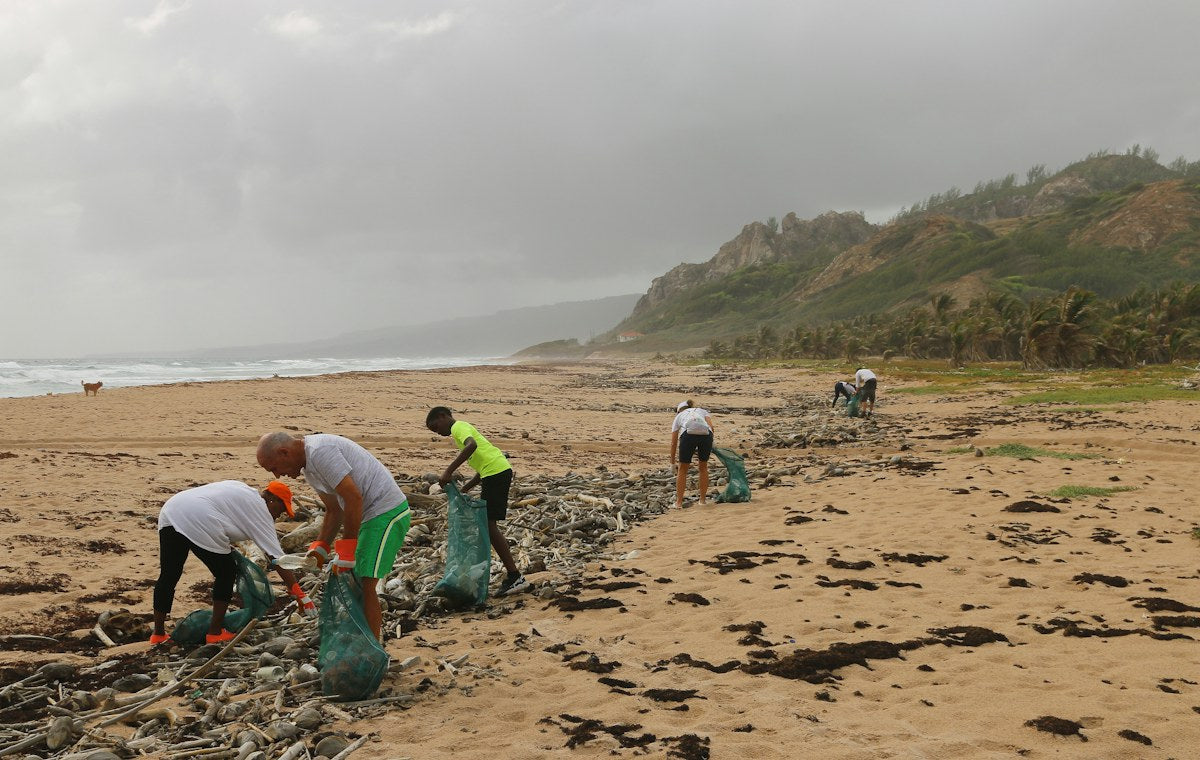
Once a bottle leaves the house, we lose track of it. Some of it is collected and recycled. A lot of it is not. Plastic that escapes the system is carried by wind, drains and storm water, and much of it eventually ends up on the coast. Anyone who has walked along a beach after the monsoon has seen what washes up.
Clean-ups help, and the people who organise them do important work. But the simplest way to keep a bottle off the beach is to never buy it in the first place.
Stopping waste at the source
Liquid hand soap is mostly water. When you buy a new bottle, you are paying to ship that water across the country, in a new plastic container, every single time.
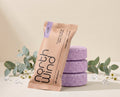
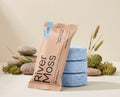
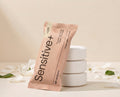
Seaborn flips that around. You keep one good bottle at home and refill it with soap tablets and your own tap water. The only thing we ship is the soap itself, in a small packet.
Keep the bottle. Lose the plastic. That is the whole idea.
Small habits, repeated
One refill will not clean a coastline. What changes things is a habit that repeats quietly in the background: every time the bottle runs low, you refill it instead of replacing it. Over a year, that is a stack of bottles that never get made, never get shipped, and never get thrown away.
If you are ready to start, the Seaborn starter pack has everything you need: a refillable bottle and your first tablets.

